
A practical qualification guide for importers and brand owners comparing glass bottle manufacturers, suppliers, and distributors before placing bulk orders.
If you are sourcing at volume, price alone is a weak filter. The real risk is approving a supplier before confirming they can repeatedly deliver the same bottle quality, customization range, and execution rhythm your business needs.
This guide is built for procurement teams, packaging importers, and brand owners shortlisting glass bottle suppliers for OEM/ODM or standard bulk programs. It shows how to separate direct manufacturers from intermediaries, what to verify before quotation, and how to compare suppliers in a way that holds up in internal review.
Use the framework below to tighten qualification, reduce commercial ambiguity, and move from supplier search to purchase planning with clearer control points.
Key Takeaways
- Start by confirming whether you need a direct glass bottle factory or a distributor model for your project timeline and SKU complexity.
- Use a structured checklist covering production fit, MOQ policy, tooling pathway, and lead-time planning before comparing quoted prices.
- Evaluate quality consistency through process visibility, sample alignment, and pre-shipment release criteria—not only by one approved sample.
- Ask detailed questions on customization, decoration routes, and packaging method to prevent downstream compatibility or branding issues.
- Before PO, lock sampling scope, payment milestones, and shipping responsibility in writing, then issue a complete RFQ package.
Factory vs Distributor: Choose the Right Supply Model First
Before reviewing individual suppliers, decide whether your purchasing model needs direct manufacturing control or trading/distribution convenience.
A direct glass bottle factory is usually the better fit when your project includes OEM/ODM development, repeat production, and technical changes over time. Distilleries, liquor brands, perfume brands, and importers with recurring demand often prefer this model because technical discussions can connect directly to production and quality checkpoints.
A distributor or trader can still make sense for smaller mixed-SKU purchases, urgent stock replenishment, or simpler buying programs where development support is not required. The tradeoff is lower process visibility and slower technical clarification when questions must pass through multiple parties.
For large-volume sourcing, prioritize clear production accountability, fast technical response, and consistency across repeat orders. If your program includes custom molds or multiple finishing steps, direct factory coordination is typically easier to control.
- Use a factory-led model when: You need OEM/ODM support, repeat production, technical alignment on closure/decorations, and clearer control from sampling through shipment.
- Use a distributor-led model when: You need smaller mixed quantities, available stock options, or simplified purchasing across many unrelated SKUs.
- Decision checkpoint: Ask who owns production responsibility, who confirms technical specs, and who is accountable if sample and mass production differ.
Core Supplier Qualification Checklist for Glass Bottle Manufacturers
Once the supply model is clear, run the same qualification framework across every shortlisted glass bottle supplier.
This checklist helps your team compare suppliers on operating fit rather than marketing language. The goal is to identify which glass bottle manufacturers can support your order structure, technical requirements, and communication needs over multiple cycles.
Ruisheng Glass states a 6,000-piece MOQ baseline and OEM/ODM support. Whether you are evaluating Ruisheng or other glass bottle producers, still validate MOQ logic, development process, and project ownership before requesting final pricing.
- Production focus: Confirm the supplier is a true glass bottle manufacturer (or disclose if they are trading) and ask which industries they regularly support (for example spirits, perfume, beverage, or olive oil packaging).
- MOQ and order eligibility: Validate minimum order quantity policy early to avoid misaligned quoting cycles. Confirm whether MOQ applies per design, per colorway, or per combined order.
- Tooling and development route: For custom bottles, ask about mold responsibility, revision process, and what inputs are required to start development (drawing, sample, or concept brief).
- Lead-time structure: Request a stage-based timeline: sampling, approval, production, finishing/decorating, packing, and shipment handoff. Stage clarity is more useful than one total number.
- Project team and communication: Confirm who handles technical questions, sampling coordination, and order follow-up so issue resolution does not stall between departments.
How to Compare Quality Consistency Across Glass Bottle Suppliers
A reliable first sample is important, but repeatability across production batches is what matters most in B2B sourcing.
When reviewing glass bottle manufacturing companies, ask for a clear quality-control flow: incoming material checks, in-process monitoring, and pre-shipment release. This gives your team a process-based comparison instead of a visual-only comparison of one sample.
Also confirm how tolerances are interpreted, how defects are classified, and how post-approval changes are communicated. Many quality disputes come from ambiguous standards, not a single obvious production mistake.
Before production begins, align acceptance criteria in writing. Cover critical dimensions, appearance expectations, closure fit, and packaging method so both teams release against the same requirements.
- Process visibility: Ask for a clear quality-control workflow from pre-production through shipment release.
- Sample-to-mass alignment: Confirm how approved samples are translated into production standards and how deviations are handled.
- Inspection communication: Define what quality records or release confirmations will be shared before dispatch.
Customization, Decoration, and Packaging Questions to Ask Early
Customization expands brand value, but it also expands technical risk unless requirements are defined up front.
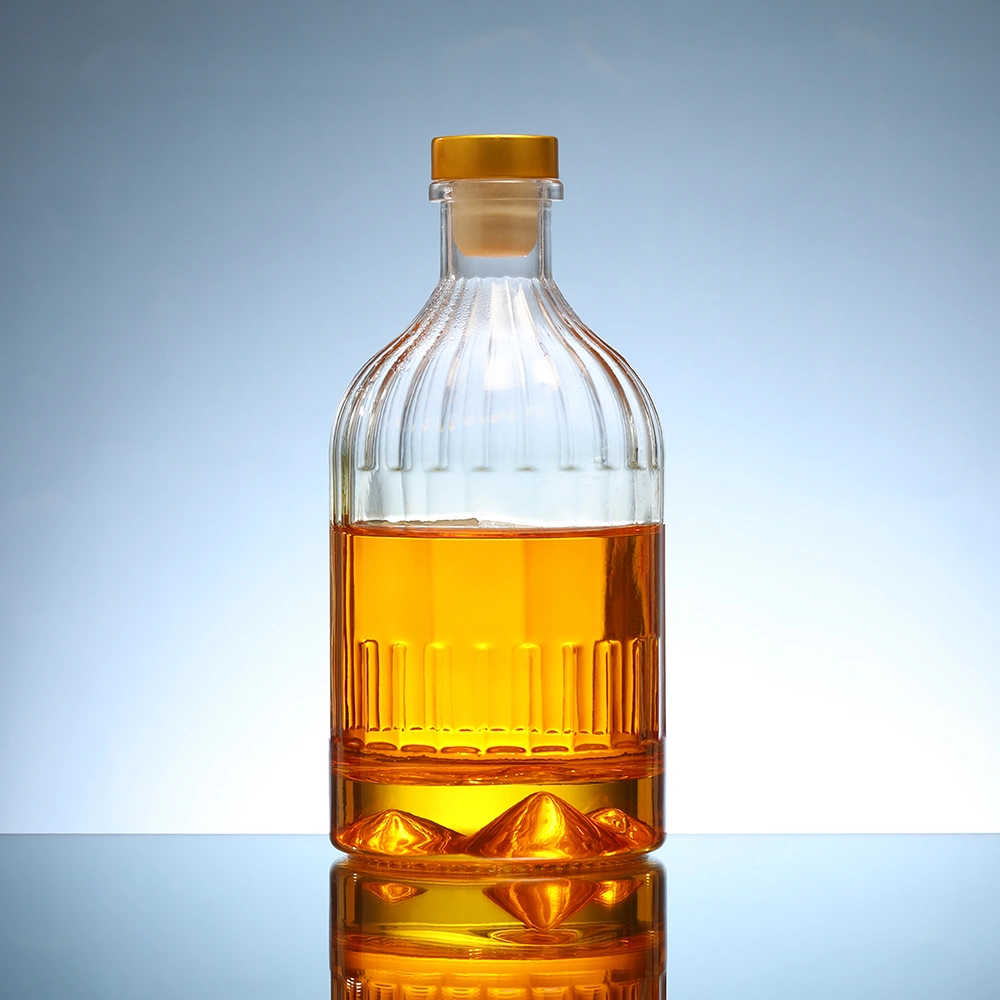
Many glass bottle suppliers offer decoration, but capability depth and execution consistency vary. If your project needs logo printing, decals, embossing, engraving, electroplating, frosting, painting, or multi-step combinations, ask how each step is sequenced and controlled.
Packaging requirements deserve the same level of detail. Define protection standards, carton configuration, and destination-market labeling during RFQ. Late packaging changes are a common source of avoidable delay and added cost.
For closure-based programs, validate bottle-and-closure compatibility at the same time as bottle approval. Approving bottle design first and testing closure performance later often creates rework.
- Decoration capability check: Which finishes are done within the supplier workflow, and which are coordinated externally?
- Technical compatibility check: How are decoration choices reviewed against label adhesion, handling needs, and intended shelf presentation?
- Packaging specification check: What secondary packaging method is proposed, and when is final packaging approval required?
Commercial Terms to Verify Before Issuing a Purchase Order
Commercial clarity is a risk-control tool. Confirm terms before PO so production and logistics do not move on assumptions.
At decision stage, define more than unit price. Set sampling scope, revision limits, payment milestones, production start trigger, and shipping responsibility in one written package. This matters most when working with a supplier for the first time, including wholesale glass bottle manufacturers.
If these terms stay vague, gaps usually appear when schedule pressure is highest. A disciplined pre-PO checklist helps procurement, finance, and operations approve one shared expectation set and reduces later dispute risk.
- Sampling and approval: State what sample type is being approved (shape, finish, packaging), how many revision rounds are included, and what constitutes final approval.
- Payment milestones: Document when payment stages apply and what operational trigger moves the order from one stage to the next.
- Shipping and handoff: Confirm shipment terms, documentation responsibilities, and communication timing for dispatch updates.
- Change-control rule: Define how post-approval changes are requested, evaluated, and reflected in timeline or cost.
RFQ Template: Information to Send Wholesale Glass Bottle Manufacturers
A complete RFQ reduces back-and-forth and improves quotation accuracy across all shortlisted suppliers.
Decision-stage buyers receive more actionable quotations when technical and commercial details are sent together. This allows both factories and glass bottle distributors to quote against the same baseline.
Use the template below as a minimum RFQ package for side-by-side comparison. Expand it if your internal process requires added compliance or destination-specific documentation.
- Product scope: Bottle application, target capacity, annual/initial volume, and whether project is standard or custom development.
- Technical inputs: Reference drawings or sample photos, key dimensions, weight expectations (if applicable), closure direction, and compatibility requirements.
- Customization details: Decoration methods required, color direction, artwork files status, and finishing sequence priorities.
- Quality expectations: Critical acceptance criteria, inspection preference, and any pre-shipment release documentation request.
- Commercial and timeline inputs: Target order quantity, MOQ confirmation request, sampling plan, desired delivery window, and destination port/region.
Shortlist Scoring: A Practical Way to Make the Final Supplier Decision
After collecting quotations and answers, convert findings into a weighted score so final selection is consistent and defendable.
Teams that compare suppliers informally often revisit the same decision after problems surface. A simple scoring matrix prevents that by applying one standard across each glass bottle company in your shortlist.
Weight criteria by business impact. In most programs, technical fit and quality consistency matter more than small first-round price gaps. Score responsiveness and documentation clarity separately, because both directly affect launch speed and issue resolution.
The goal is not a perfect scorecard. The goal is a supplier whose operating model matches your product complexity, order volume, and internal approval process.
- Suggested scoring categories: Technical fit, quality process transparency, MOQ/commercial fit, lead-time clarity, customization support, and communication responsiveness.
- Suggested decision rule: Eliminate suppliers with major gaps in technical or quality criteria before final price negotiation.
- Suggested governance step: Store approved scoring records with RFQ and sample notes to support procurement audit trails.
Frequently Asked Questions
How can I confirm whether a supplier is a direct glass bottle factory or a trading company?
Ask who owns production responsibility, where manufacturing takes place, who controls in-process quality checks, and who can answer technical questions directly. Reliable suppliers should provide consistent process-level answers. During qualification, you can also request factory workflow documents and role clarity for sampling and production stages.
What is the most important checkpoint before comparing price quotes?
Standardize assumptions first. If MOQ basis, customization scope, approved sample standard, or shipping responsibility differs between suppliers, the prices are not truly comparable. Normalize those inputs, then compare quotes.
Why is MOQ validation early in the process so important?
MOQ affects feasibility, unit economics, and planning cadence. If your quantity structure does not match the supplier model, early quotations can be misleading and timelines can slip. Confirming MOQ first keeps both sides focused on executable planning.
What should be included in a first RFQ to get an actionable response?
Include bottle application, target quantity, capacity or form-factor direction, customization requirements, closure needs, quality expectations, and delivery destination. Add drawings or reference photos when available. A complete RFQ helps suppliers return usable quotations and stage-based timelines faster.
How should I evaluate customization capability beyond a supplier's product photos?
Ask for execution details tied to your project: which decoration methods are supported, when each step is applied, how approvals are controlled, and how consistency is maintained from sample to mass production. Process clarity is more reliable than photo galleries alone.
